Oranienbaum with the Great Menshikov Palace and Park
Duration: 5 h
By car
About the tour
Oranienbaum has something Peterhof, Tsarskoye Selo and Pavlovsk do not: authenticity. Every country residence around St Petersburg was destroyed in the war and reassembled from drawings and photographs — every one except this. The Oranienbaum bridgehead held here, the Germans never reached the palaces, and what you see is not recreated interiors but the actual eighteenth-century ones.
Oranienbaum began as the palace of Alexander Menshikov, the richest man in the empire after the sovereign himself. Fontana and Schädel built it between 1711 and 1727: a U-shaped building 210 metres long along a natural rise, with galleries and side pavilions, facing the sea. Menshikov fell from favour before he could finish it, and the estate passed to the treasury.
Next it was home to Grand Duke Peter Fyodorovich, the future Peter III, who built himself the toy fortress of Peterstadt and played at soldiers in deadly earnest. After the coup of 1762 that cost him his crown and his life, Oranienbaum went to Catherine II, who commissioned Rinaldi to build the Chinese Palace — the only example of rococo in Russia.
The drive from the city takes about an hour. The ensemble is on the UNESCO World Heritage list and has belonged to the Peterhof museum reserve since 2007.
What you will see
The Great Menshikov Palace — the state halls and private rooms, opened to the public after restoration in 2011. The facade is painted in the shade that the eighteenth century called “the thigh of a frightened nymph” — your guide will explain where that name came from and why such colours were in fashion at all.
The Lower Garden and the Upper Park — the formal garden in front of the palace, running down to the sea canal, and a vast landscape park with ponds, bridges and views over the Gulf of Finland.
The Peterstadt fortress — of Peter III’s toy fortress there survive the Gate of Honour of 1757, Antonio Rinaldi’s first building in Russia, and the same architect’s two-storey palace of Peter III.
The Chinese Palace and the Glass Bead Study — Rinaldi, 1762–1768. The Glass Bead Study preserves its original 1760s decoration: panels embroidered by Russian goldwork seamstresses in glass beads from Mikhail Lomonosov’s factory at Ust-Ruditsa. Viewed from outside; entry is paid separately and depends on the season — the Chinese Palace is closed in the cold months.
The Sliding Hill Pavilion — a 33-metre structure of 1762–1774, all that remains of Catherine’s giant amusement ride. It was from Russian entertainments like this that the name “Russian mountains” spread, which in most of the world still denotes what we call an American ride.
Why go with a guide
Oranienbaum is spread over an enormous area, and without explanation it is simply a handsome park with buildings in it. A guide assembles it into a story: how Menshikov built a palace grander than the tsar’s and how that ended; where the “orange” name comes from — either the bitter-orange greenhouse or William of Orange, whom Peter I admired; why Peter III was disliked and how he was killed; and why the town was renamed Lomonosov in 1948 although the scientist never once set foot here (a clue: the answer is in the Glass Bead Study).
The tour is private: your own guide and car, collection from your hotel or apartment, and tickets to the palace and park included. The pace and the route through the park adjust to you.
And with a little luck, you will be shown the spots in the park where local tradition says the ghosts of Peter III and a girl named Natasha are met.
Meeting point
By arrangement
Price includes
First-class guide
Entrance tickets to the Menshikov Palace and the park
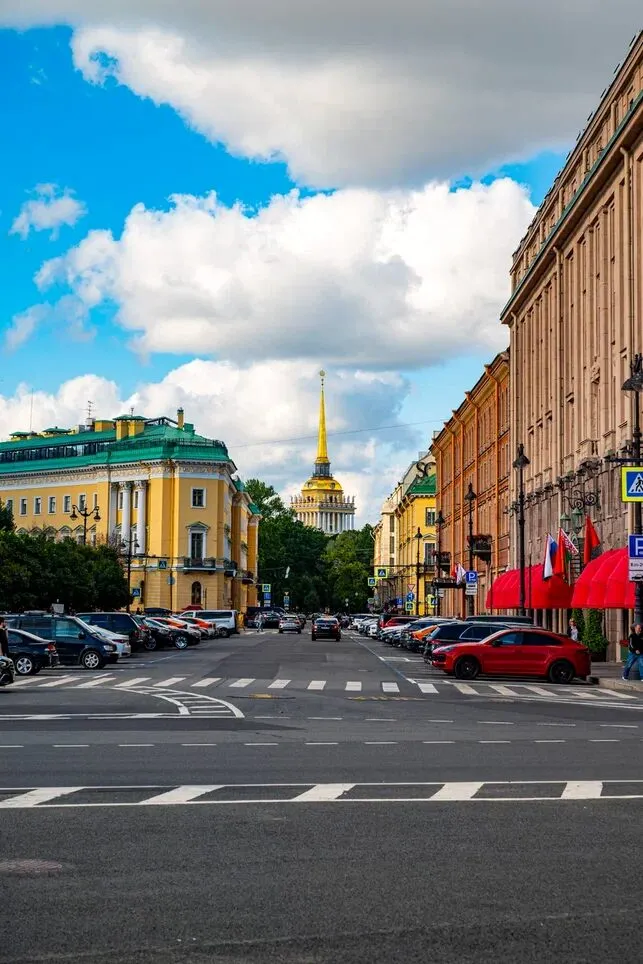
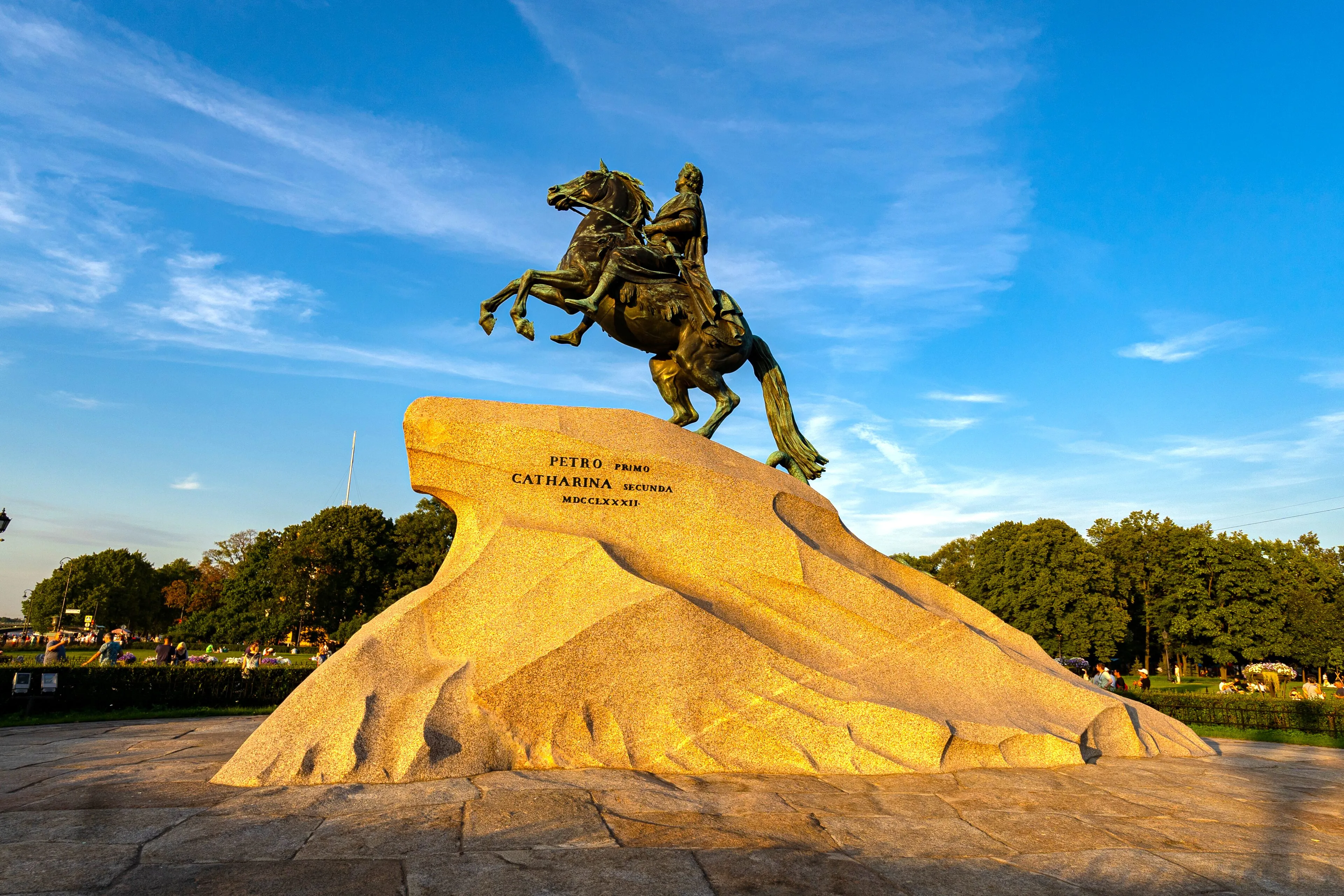
The essentials of St Petersburg in three hours: Palace and Senate squares, the Summer Garden and the Field of Mars, the Spit of Vasilyevsky Island and the place the city began — told through stories rather than dates.
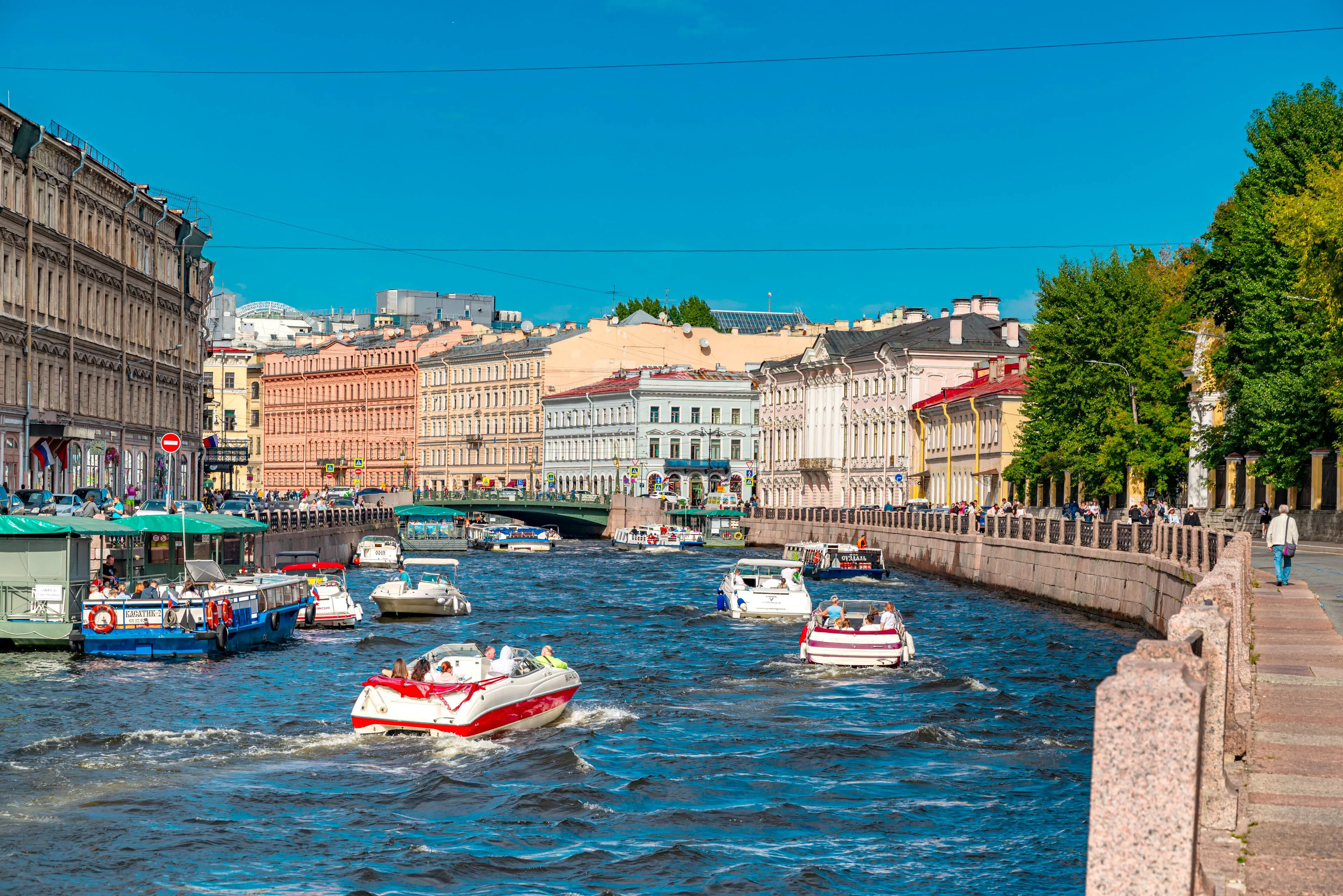
An hour along the rivers and canals with your own guide: the Venice of the North from the water, the bridges and their superstitions, Chizhik-Pyzhik, and the floods that reshaped the city.
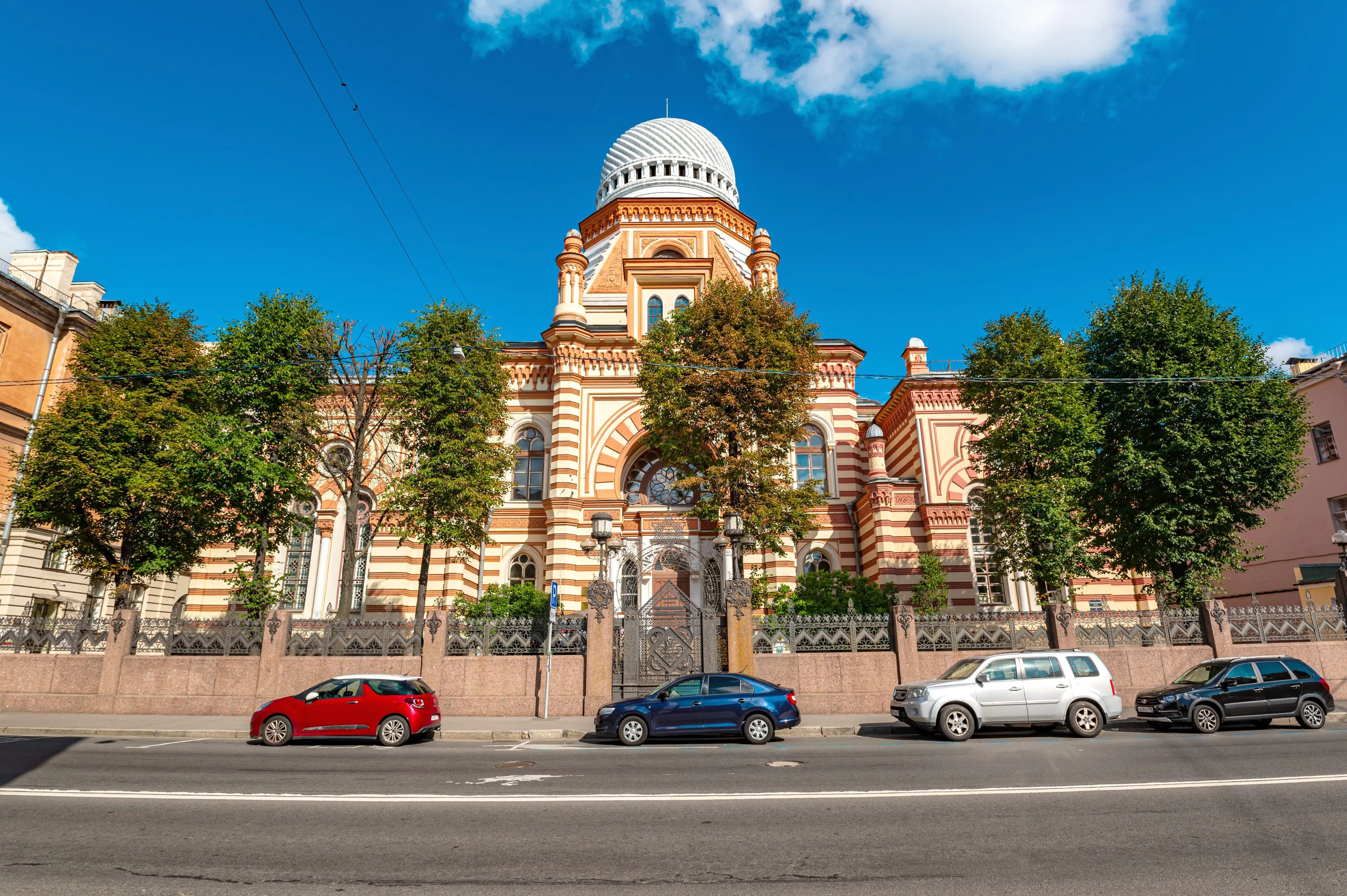
Jewish St Petersburg: the Grand Choral Synagogue in the Moorish style, the history of the community in the imperial capital, its bankers and philanthropists — and how it lives today.
On foot through the imperial capital: Palace Square, Nevsky Prospect and Gostiny Dvor, the well-yards behind the grand facades, and doughnuts in a historic cafe — two hours through the heart of St Petersburg.