Strelna was meant to be the Russian Versailles. Peter I laid out a residence here that would surpass the French one: Jean-Baptiste Le Blond began the design, Niccolò Michetti carried it on after his death in 1719, and the palace was founded on 22 June 1720. But the engineer Burkhard Münnich demonstrated that fountains would not work here — the water would rise only ten metres and would flood the low ground. The idea moved to Peterhof, and Strelna was left as a palace with a magnificent frame and an unfinished destiny.
Its subsequent history is a story of three Konstantins. Paul I gave the estate to his son Konstantin Pavlovich — the one who secretly renounced the throne in order to marry the Polish noblewoman Joanna Grudzińska, which left the country without an emperor for twenty-five days in 1825 and ended in the Decembrist revolt. The next owner was Konstantin Nikolayevich, a naval reformer and head of the committee on the emancipation of the serfs: he cut military service from twenty-five years to ten, abolished corporal punishment, and in 1874 signed the order that brought the striped telnyashka into Russian naval uniform. The third was his son Konstantin Konstantinovich, a poet who signed himself “K. R.”, and whose translation of Hamlet is still reckoned among the best in Russian.
The palace was almost entirely destroyed in the war and then stood derelict for half a century. In 2000 the complex passed to the Presidential Property Management Department and was recreated for the tercentenary of St Petersburg: it opened on 30–31 May 2003, with heads of more than forty states attending the ceremonies. Today it is the Palace of Congresses — a working state residence that can be visited on a guided tour.
What you will see
The state halls — the Marble, Blue and Trojan halls: interiors recreated by 2003, where the G8 and G20 summits were held and heads of state received.
The study and reception rooms of the presidential residence — the working part of the palace, shown between official engagements.
The Lower Park and the canal system — Peter’s layout, with canals running out to the Gulf of Finland, grottoes, bridges and the view over the water from the palace terrace.
The Rostropovich and Vishnevskaya collection — Russian art of the eighteenth to twentieth centuries, bought at a London auction by Alisher Usmanov and given to the state; on display in the palace since 2007.
Why go with a guide
The Konstantinovsky is not a museum in the usual sense but a working residence: you cannot wander it on your own, and entry is only by guided tour and prior arrangement. We take care of that arrangement.
Your guide supplies what is not on the labels: how the palace is prepared to receive heads of state, what goes on behind the scenes at a summit, why Peter’s scheme failed here, and how what you see was assembled from ruins in three years. And the three Konstantin family stories — of an abdication, a navy and Shakespeare — that tie this house to half of the Russian nineteenth century.
The tour is private, with your own guide and car, and you are collected from your hotel or apartment. A tasting of three wines from the presidential cellar can be added on request — 1,000–1,500 roubles per person, paid separately.
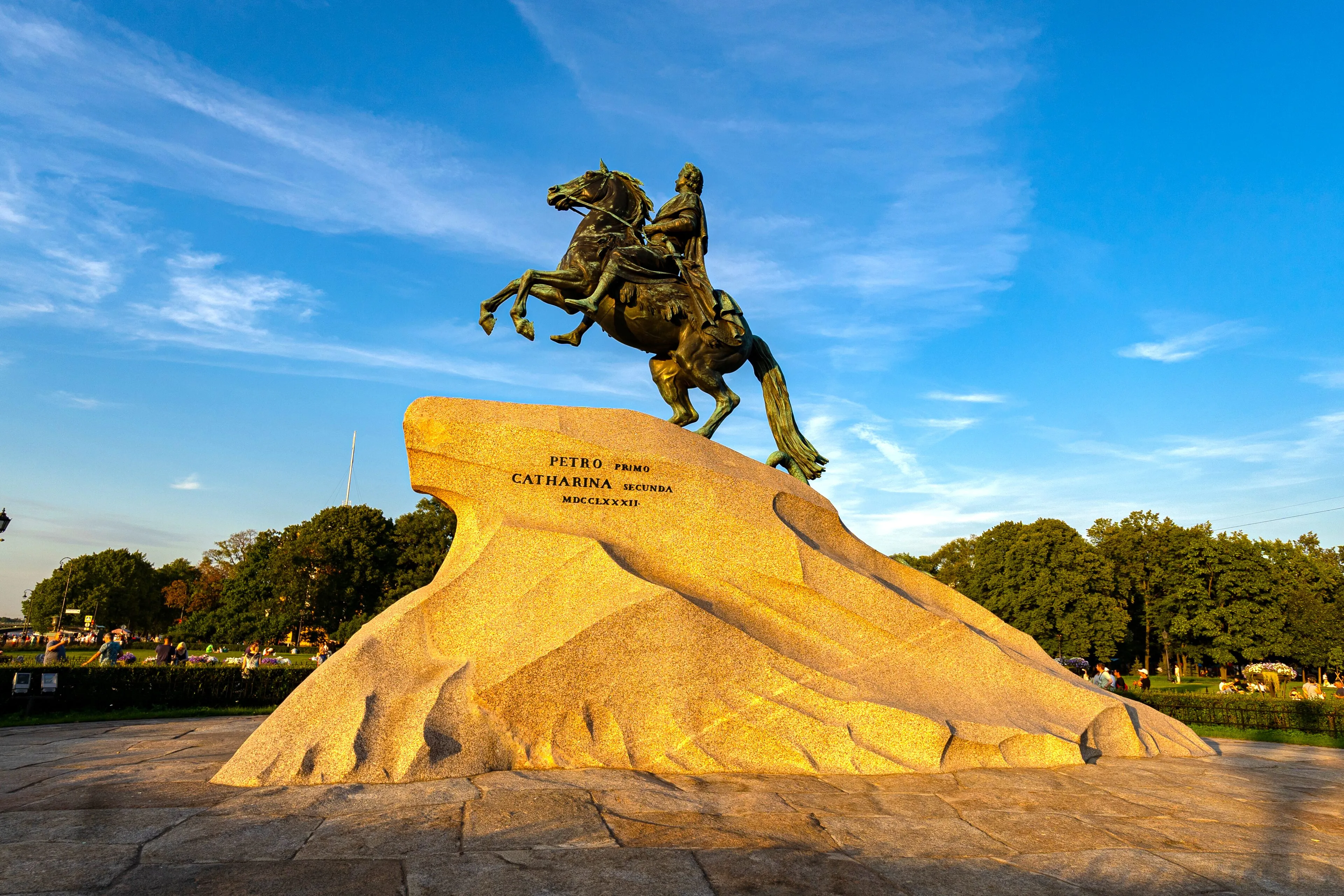
The essentials of St Petersburg in three hours: Palace and Senate squares, the Summer Garden and the Field of Mars, the Spit of Vasilyevsky Island and the place the city began — told through stories rather than dates.
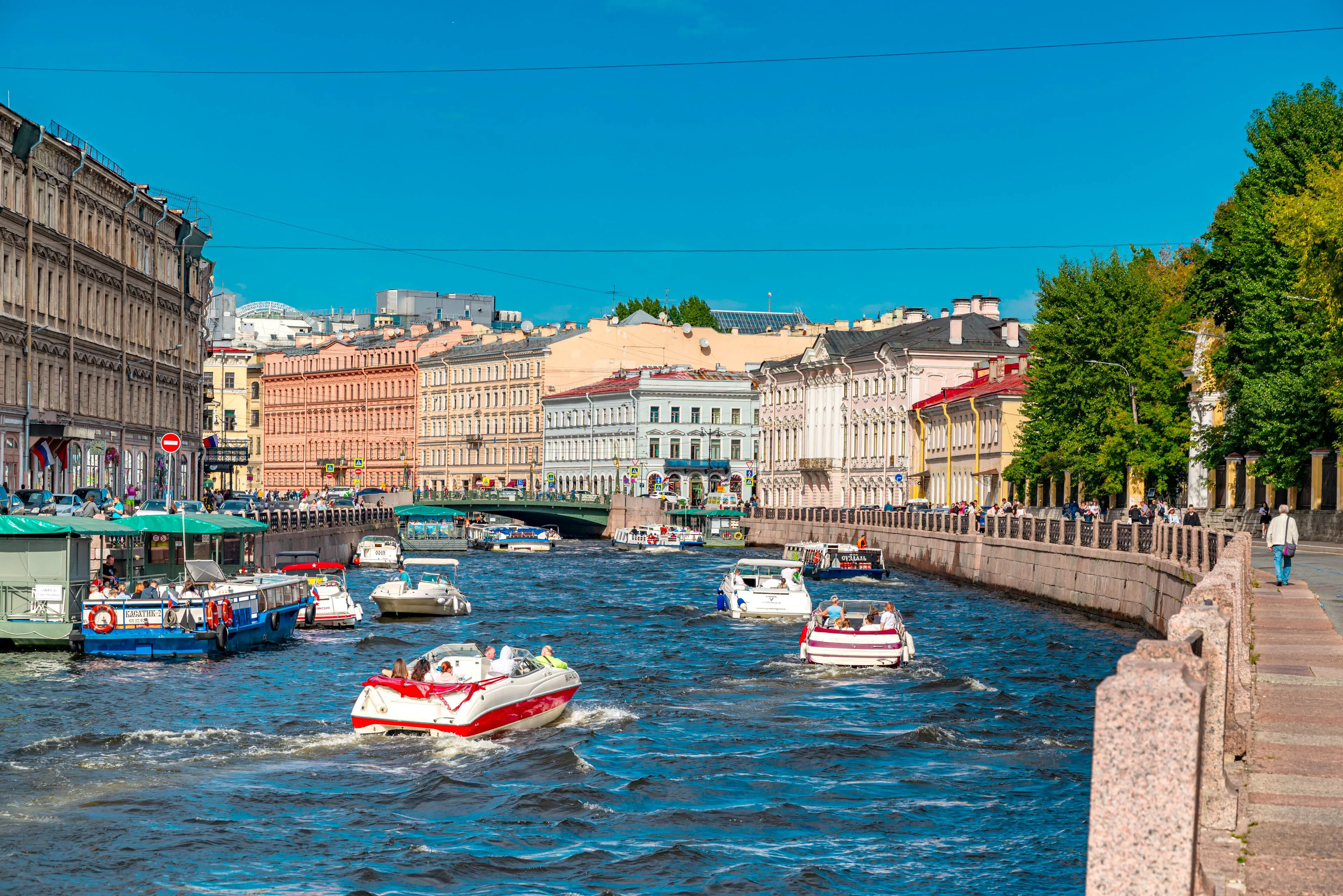
An hour along the rivers and canals with your own guide: the Venice of the North from the water, the bridges and their superstitions, Chizhik-Pyzhik, and the floods that reshaped the city.
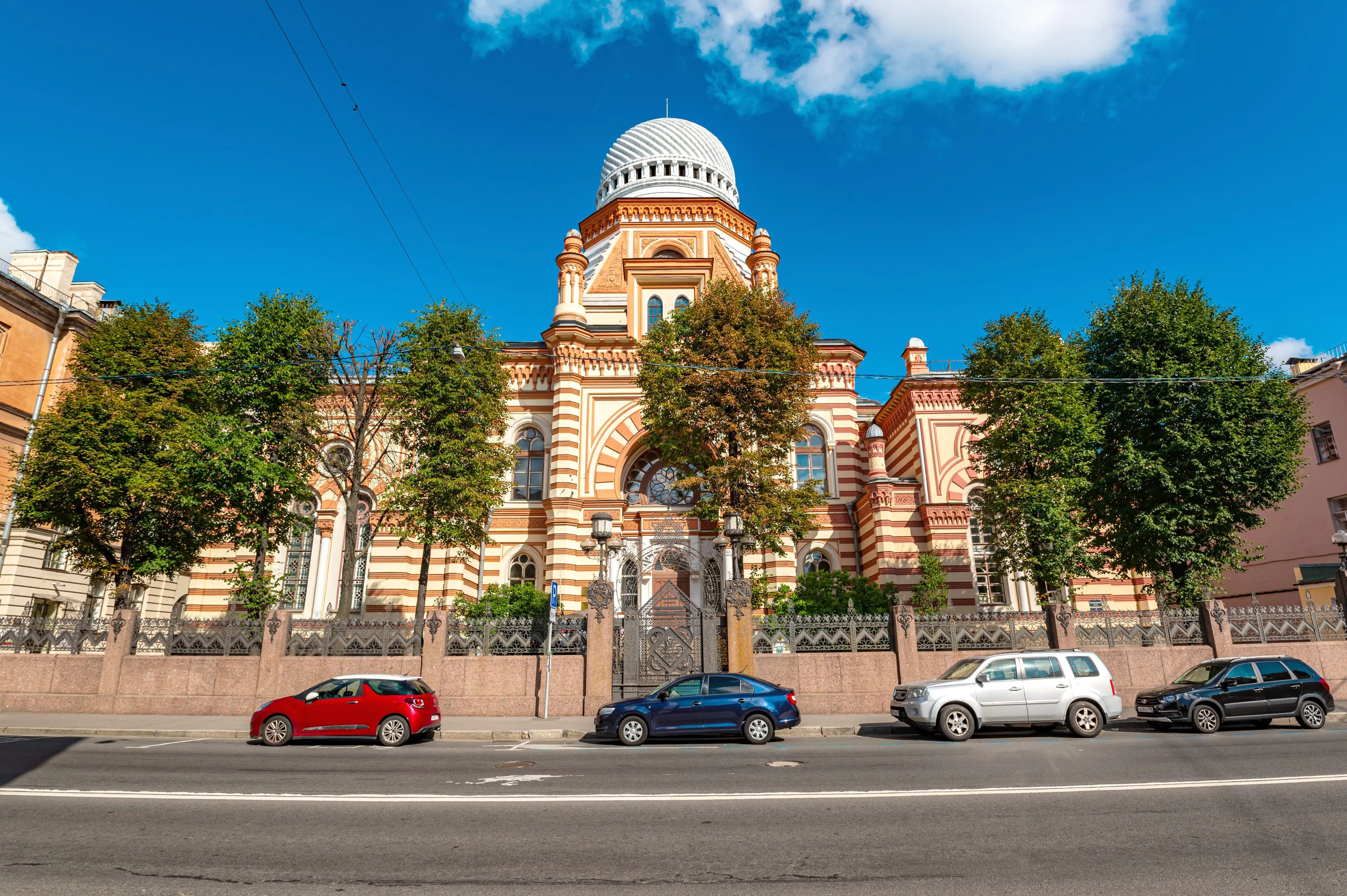
Jewish St Petersburg: the Grand Choral Synagogue in the Moorish style, the history of the community in the imperial capital, its bankers and philanthropists — and how it lives today.
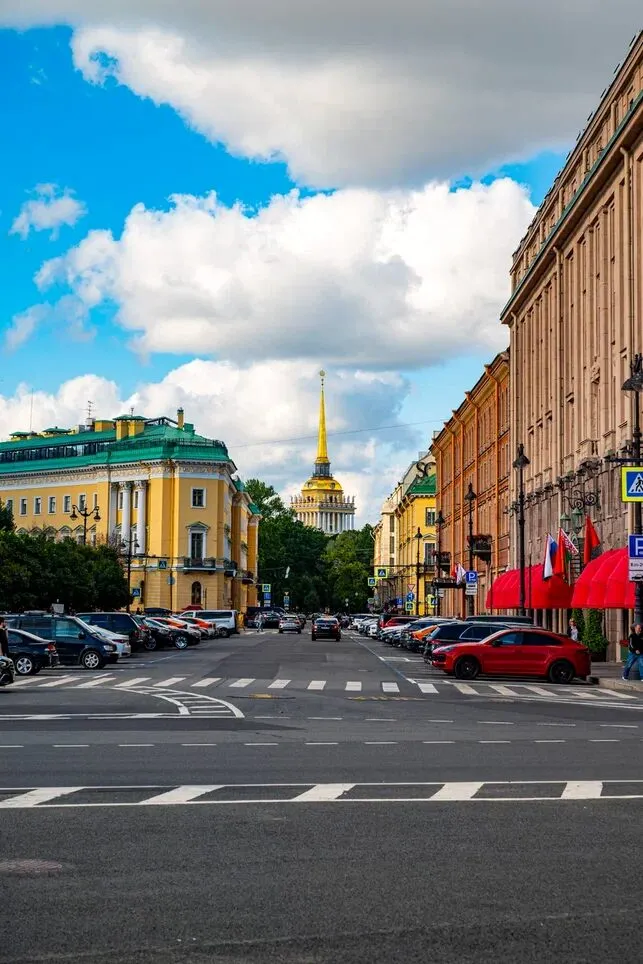
On foot through the imperial capital: Palace Square, Nevsky Prospect and Gostiny Dvor, the well-yards behind the grand facades, and doughnuts in a historic cafe — two hours through the heart of St Petersburg.